
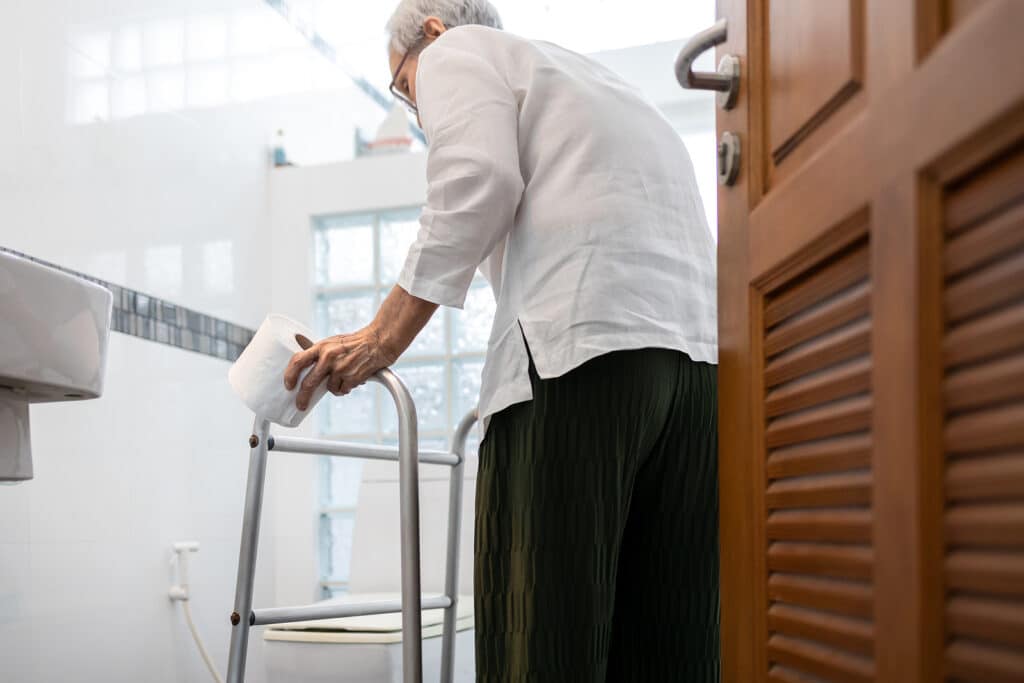
Falls Prevention Awareness Week, observed September 21–25, 2026, is an opportunity for families to look closely at the everyday habits that can help older adults remain safer and steadier at home. A fall can change a senior’s daily life in an instant, but fall prevention is not limited to installing safety equipment or reacting after an accident occurs. Many useful precautions are ordinary habits practiced throughout the day. Home care assistance can support these routines by providing mobility help, fall-prevention support, personal care, light housekeeping, and other assistance based on a senior’s individual needs.
For adult children, the challenge is often knowing where to begin. A parent may still be living independently and handling many tasks successfully, yet seem a little less steady getting out of a chair or walking to the bathroom. These subtle changes deserve attention. Building safer habits early can help a senior continue doing as much as possible without making the home feel restrictive, and home care assistance can help.
Start the Day Without Rushing
The first few minutes after getting out of bed can set the tone for the morning.
A senior who wakes up and immediately tries to stand may feel stiff or unsteady. Poor sleep, weakness, or simply moving too quickly can make the transition from lying down to walking more challenging.
Allowing enough time for morning routines matters. A home care assistance caregiver can be nearby to assist with getting up, walking, bathing, dressing, and grooming when those activities have become difficult.
There is an emotional benefit as well. Seniors who know assistance is available do not have to choose between attempting something that feels unsafe and giving up a normal part of their routine.
Keep Everyday Paths Easy to Use
Fall prevention is often about paying attention to ordinary spaces.
A stack of magazines beside a chair, laundry waiting to be put away, or an object left in a hallway may not seem dangerous to a younger adult. For someone with reduced balance, vision, or mobility, it can become an obstacle.
Frequently used walking paths deserve particular attention. Consider the route between the bedroom and bathroom, the path from a favorite chair to the kitchen, and the areas a senior walks through at night.
Light housekeeping can help keep these spaces orderly. Caregivers can assist with tidying living areas, light laundry, and other household tasks offered through Lares Home Care. A less cluttered environment can make routine movement easier and more comfortable.
Treat Transfers as Part of Fall Prevention
Walking gets much of the attention in conversations about falls, but getting up and sitting down can also present challenges.
A senior may struggle when rising from bed, getting out of a favorite chair, or moving between seated and standing positions. Weakness or poor balance can turn these routine movements into stressful moments.
Transfer and ambulation assistance can provide support when a senior needs it.
This does not mean doing everything for the person. Appropriate help can allow an older adult to continue participating in daily routines while receiving support during the portions that have become difficult.
Pay Attention to Bathroom Routines
Bathrooms deserve special consideration because several risk factors come together in one small space. Seniors may be changing positions, managing clothing, stepping around fixtures, and moving across surfaces that can become wet.
Some older adults quietly change their habits when they no longer feel secure. They may delay bathing, rush through personal care, or avoid asking for assistance because they value privacy.
That is why respectful personal care matters.
Lares Home Care offers home care assistance with bathing, grooming, dressing, toileting, transferring, and other personal care needs. Having appropriate support can make these everyday routines feel more manageable without taking away a senior’s dignity or choices.
Don’t Let Fatigue Sneak Up During the Day
A senior may move comfortably in the morning but become less steady as the day continues.
Fatigue can affect concentration and movement. A busy afternoon that includes errands, household tasks, and appointments may require more energy than it once did.
Families can help by paying attention to patterns. Does Dad seem less steady after an outing? Does Mom begin holding onto furniture late in the afternoon? Has either parent started avoiding certain rooms because getting there feels tiring?
These observations can help families decide where additional assistance would be useful.
Home care assistance can also take some of the physical workload out of the day. Help with meal preparation, light housekeeping, errands, personal care, and other routine needs can allow seniors to conserve energy for the activities that matter most to them.
Make Mealtimes Part of a Steadier Routine
Regular meals support overall well-being and provide structure to the day. Yet preparing food may become more demanding when standing for long periods or moving around a kitchen is difficult.
A caregiver can assist with meal preparation and provide feeding assistance when needed. This allows seniors to enjoy regular meals without taking on tasks that have become physically challenging.
The benefits continue after the meal. A caregiver’s presence can mean the senior does not have to immediately tackle cleanup or other household tasks when tired.
Small changes like these can make the entire day more manageable.
Encourage Movement Without Creating Pressure
Fear of falling sometimes leads older adults to move less. A senior who feels unsteady may stop walking around the house unnecessarily, avoid going outside, or spend much of the day sitting.
Families should take these changes seriously without making every movement feel dangerous.
Older adults can speak with their healthcare providers about the type and amount of physical activity appropriate for their health and abilities. At home, companionship and mobility support can provide encouragement to remain engaged in normal routines.
The objective is not to push a senior beyond comfortable limits. It is to help create an environment where safe movement remains part of everyday life.
Notice Changes Instead of Waiting for a Fall
Families do not need to wait for an actual fall before reconsidering a loved one’s level of support.
Watch for changes such as:
- Holding onto walls or furniture while walking
- Having more difficulty standing from a chair
- Becoming hesitant about bathing
- Avoiding stairs or certain areas of the home
- Appearing unusually tired after routine activities
- Needing more help with transfers or walking
- Becoming less active because of fear of falling
One change does not necessarily indicate a major problem. A pattern of changes, however, may signal that the current routine is no longer working as comfortably as it once did.
Build Support Around the Senior’s Actual Needs
Fall prevention should never be a generic list imposed on every older adult.
One senior may primarily need help getting safely through morning personal care. Another may be comfortable most of the day but need assistance with mobility and household tasks. Someone else may need more extensive support.
Lares Home Care creates customized home care assistance plans based on each person’s circumstances. That individualized approach allows families to address the parts of the day that present difficulty while respecting the abilities a senior still has.
Falls Prevention Awareness Week, September 21–25, offers a timely reason to look at the home and a senior’s routines through fresh eyes, but safer habits should continue throughout the year. Pay attention to how a loved one gets out of bed, moves through the house, manages personal care, prepares meals, and handles periods of fatigue.
The goal is not to eliminate every possible risk. It is to make everyday life safer without unnecessarily limiting it. With thoughtful routines and the right home care assistance, seniors can receive support where they need it while continuing to participate in the daily activities that make home feel like home.
If you or an aging loved one are considering Home Care Assistance in Matawan, NJ, please contact the caring staff at Lares Home Care (732) 334-3323.

- Simple Ways Seniors Can Stay Involved in Favorite Household Routines - October 5, 2026
- Bringing More Enjoyment Back to Mealtimes for Older Adults - September 28, 2026
- Falls Prevention Awareness Week: Building Everyday Habits That Help Seniors Stay Steady - September 8, 2026